
Education: Our Family's Security Blanket
Across war, exile, and rebuilding, my family carried one belief that never wavered—education was the one thing no one could take away.
My maternal grandfather, Song Sang-Chum, was an unusually tall man—over six feet—with short-cropped hair and a fondness for crisp white hanbok. Known as one of Pyongyang’s most progressive leaders at the time, he believed deeply in social equality and modernization. His dream was to strengthen Korea against foreign domination through education, innovation, and industry.

Educating Daughters for a New Korea
At the turn of the 20th century, Pyongyang was Korea’s industrial center under Japanese occupation but lagged far behind the West in agriculture and manufacturing. My grandfather had only one son and many daughters—so he raised his independent, assertive girls to join his “development corps.” He told his friends proudly that his daughters could outdo any boy, and he meant it. Determined to educate them abroad, he encouraged each one to learn a different skill—medicine, art, agriculture, education—so together they could rebuild Korea.
My mother’s sister, Song Pok-Shyn, was the first to study abroad. Though delicate in build, she had nerves of steel. After attending a missionary high school for girls in Pyongyang, she prepared to study modern medicine in Japan. My grandfather even built a Western-style hospital in anticipation of her return.
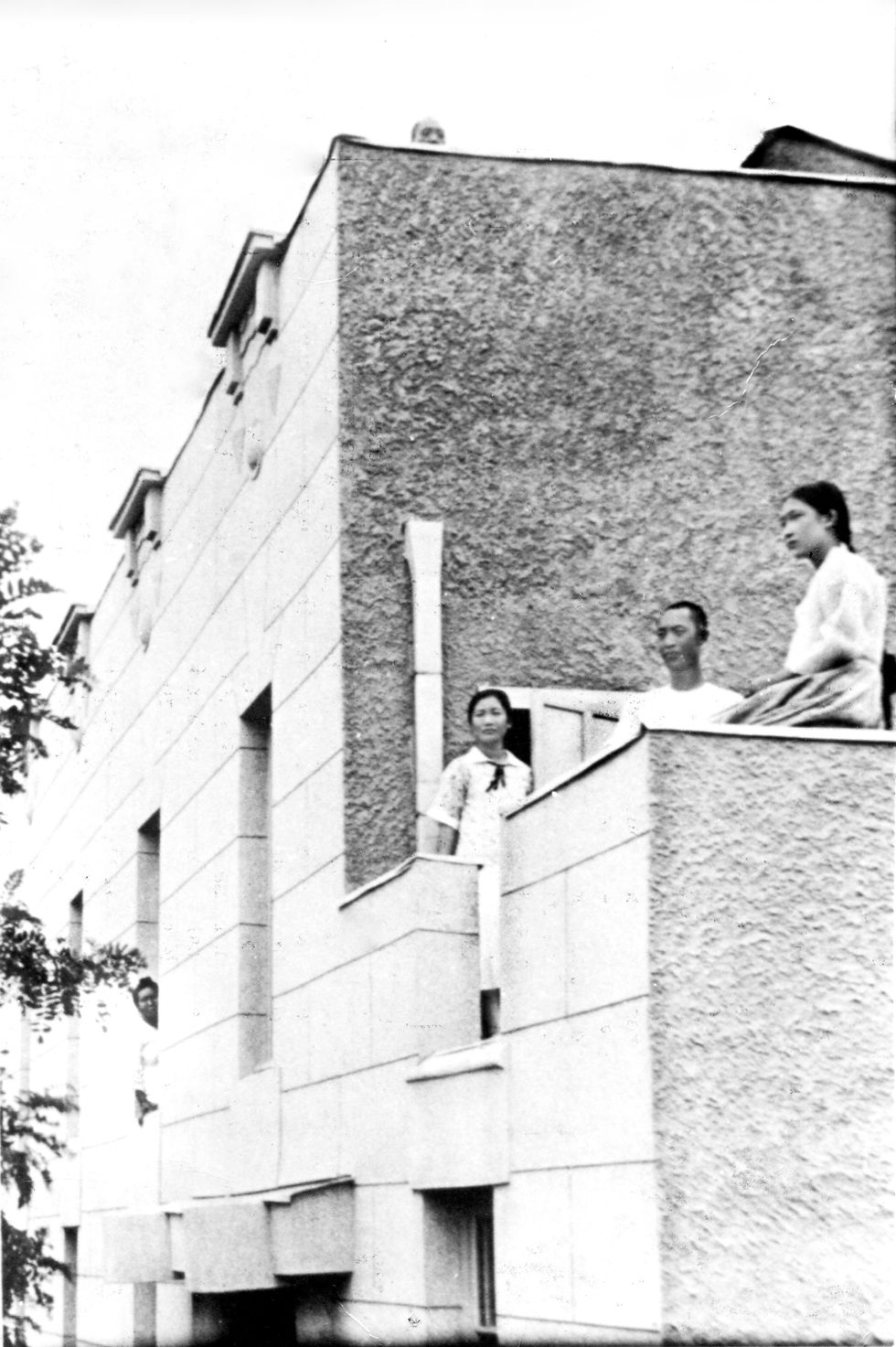
Leaving Pyongyang, Carrying Knowledge
My aunt’s path took an unexpected turn when she joined the anti-Japanese underground, serving as a courier for the provisional government in Manchuria. Arrested and tortured, she escaped to the United States and, through sheer determination, earned a Barbour Scholarship at the University of Michigan—becoming the first Korean woman in America to earn a PhD in public health in 1929.
She later helped my mother, Song Kyung-Shyn, a gifted pianist who had performed with the Pyongyang Symphony Orchestra at age ten. My grandfather supported her dreams, even escorting her to late-night rehearsals. At sixteen, she left for the American Conservatory of Music and returned home years later to marry my father, Yoon Doo-Sun. Together, they founded the first Western-style music conservatory in North Korea.

When the Russian army seized our family home and turned it into its headquarters, my parents fled south with the rest of our family. Through my aunt’s diplomatic ties, a U.S. military ship carried us from Busan to San Francisco. In Michigan, my parents rebuilt their lives from nothing. What sustained them wasn’t money or property—it was the treasure they carried within them: their education.


Comments